Hoi An Itinerary: Plan Your Perfect Hoi An Trip
Discover Vietnam's enchanting ancient town — lantern-lit streets, world-class tailoring, UNESCO heritage, and the best Cao Lau in the world

Powered by ITINE
Get this guide as a tappable itinerary
Day-by-day plan, audio tours, and one-tap Google Maps — completely free.
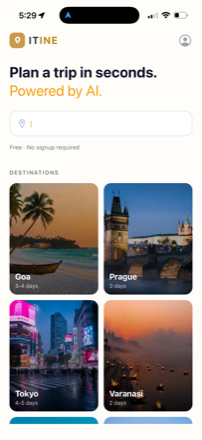
Destinations
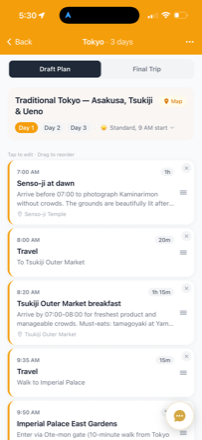
Your Itinerary
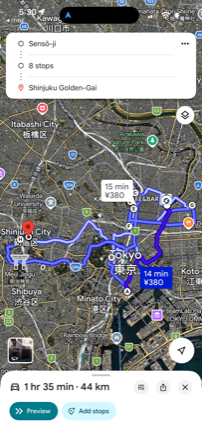
Google Maps
3
Itineraries
10+
Attractions
3+
Day Trips
30+
Restaurants
Hoi An Travel Guides
Everything you need to plan the perfect trip to Hoi An, from food and transport to budgets and accommodation.
Food Guide
Cao Lau, White Rose dumplings, banh mi, com ga, and 30+ must-try restaurants and street food spots.
Read GuideDay Trips
My Son Sanctuary, Cham Islands, Da Nang, Marble Mountains, and more excursions from Hoi An.
Read GuideBest Time to Visit
Month-by-month weather, lantern festival dates, flood season, and seasonal tips.
Read GuideBudget Guide
Detailed cost breakdowns in VND for budget, mid-range, and luxury travelers.
Read GuideWhere to Stay
Best areas for every traveler: Ancient Town, An Bang Beach, Cam Thanh, and riverside.
Read GuideTransport Guide
Bicycles, Grab, Da Nang airport transfers, and getting around the pedestrianized Ancient Town.
Read GuideIconic Hoi An Attractions
Hoi An is home to UNESCO heritage landmarks, ancient merchant houses, and stunning temples. Here are the three you should not miss on your first visit.
Japanese Covered Bridge
Must-SeeBuilt in the 1590s by Japanese merchants to connect the Japanese and Chinese quarters, this iconic covered bridge is the symbol of Hoi An. The beautifully preserved wooden structure features intricate carvings, a small Buddhist temple inside, and is especially striking when illuminated by lanterns at night. It appears on the Vietnamese 20,000 dong note.
Attraction GuideAncient Town (UNESCO)
IconicA remarkably well-preserved example of a Southeast Asian trading port dating from the 15th to 19th centuries. The UNESCO World Heritage Site features hundreds of historic buildings blending Japanese, Chinese, Vietnamese, and French architectural styles — from ornate assembly halls and ancient merchant houses to lantern-draped streets and riverside cafes.
Attraction GuideMy Son Sanctuary
HistoricA stunning collection of partially ruined Hindu temples built by the Champa Kingdom between the 4th and 14th centuries. Often compared to Angkor Wat in Cambodia, this UNESCO World Heritage Site sits in a lush jungle valley 40km southwest of Hoi An and features remarkable brick tower architecture and intricate sandstone carvings.
Attraction GuideWhy Visit Hoi An?
Vietnam's most charming town offers an extraordinary blend of UNESCO heritage, world-class tailoring, acclaimed cuisine, and an enchanting lantern-lit atmosphere that captivates every visitor.
UNESCO Ancient Town
Hoi An's Ancient Town is a remarkably preserved trading port in Southeast Asia, recognized as a UNESCO World Heritage Site since 1999. Hundreds of historic buildings spanning Japanese, Chinese, Vietnamese, and French architectural styles line atmospheric streets draped with silk lanterns and bougainvillea, creating a living museum unlike anywhere else in the world.
World-Class Tailoring
Hoi An is famous worldwide for its hundreds of tailor shops that can create custom suits, dresses, shoes, and leather goods in as little as 24 hours. Using high-quality silk and fabrics, skilled tailors can replicate any design from a magazine or your own imagination at a fraction of Western prices — a bespoke suit starts from around 3,000,000₫.
Incredible Food
Hoi An has its own unique cuisine found nowhere else in Vietnam. Cao Lau noodles made with water from a specific ancient well, delicate White Rose dumplings (banh bao banh vac), celebrated Madam Khanh banh mi, and com ga (chicken rice) are just the beginning. The town's food scene is intimate, authentic, and endlessly delicious — from 15,000₫ street food to riverside fine dining.
Lantern Magic
Every evening, the Ancient Town transforms as hundreds of silk lanterns illuminate the narrow streets in a warm, colorful glow. On the 14th day of each lunar month, the full moon lantern festival sees the entire town lit exclusively by lanterns and candles, with floating offerings on the Thu Bon River, traditional music, and an unforgettable atmosphere that makes Hoi An a deeply romantic destination.
Frequently Asked Questions About Hoi An
Ready to Explore Hoi An?
Start planning your Hoi An adventure with our most popular itinerary, trusted by thousands of travelers.